
 + 86 18721624519
ຈາກການຜະລິດໄປສູ່ການບໍລິໂພກ: ກໍລະນີສະຖານີຖານທີ່ໃຊ້ພະລັງງານແສງຕາເວັນທີ່ປະສົບຜົນສຳເລັດໃນອາຟຣິກາທີ່ຫ່າງໄກສອກຫຼີກ
Highjoule ກຳລັງແກ້ໄຂບັນຫາ 'ບໍ່ມີຕາຂ່າຍໄຟຟ້າ, ບໍ່ມີສັນຍານ' ໃນທົ່ວອາຟຣິກາໃຕ້ຊາຮາຣາໄດ້ແນວໃດ
ພາຍໃນຫົວຂໍ້ການນຳໃຊ້ສະຖານີຖານໃນອາຟຣິກາ, ຄຳຖາມທີ່ເປັນຈິງອັນໜຶ່ງຍັງຄົງປາກົດຂຶ້ນຢູ່ເລື້ອຍໆ:
ຖ້າບໍ່ມີຕາຂ່າຍໄຟຟ້າທີ່ໝັ້ນຄົງ, ສະຖານີໂທລະຄົມມະນາຄົມຈະສາມາດດຳເນີນງານໄດ້ຢ່າງບໍ່ມີກຳນົດໄດ້ແນວໃດ?
ໂດຍສະເພາະໃນປະເທດມໍຣິເຕເນຍ, ໄນເຈີ, ພາຍໃນຂອງເຄນຢາ, ແລະພາກພື້ນທີ່ຄ້າຍຄືກັນ, ຫຼາຍພັນສະຖານທີ່ປະເຊີນກັບກຸ່ມສິ່ງທ້າທາຍດຽວກັນ:
- ບໍ່ມີການເຂົ້າເຖິງຕາຂ່າຍໄຟຟ້າ
- ຄ່າຂົນສົ່ງນ້ຳມັນກາຊວນສູງຫຼາຍ
- ສະພາບອາກາດທີ່ຮຸນແຮງ (ຄວາມຮ້ອນທີ່ຮຸນແຮງ + ພະຍຸຊາຍ)
- ຊັບພະຍາກອນ O&M (ການດຳເນີນງານ ແລະ ການບຳລຸງຮັກສາ) ທີ່ຂາດແຄນ
ພາຍໃຕ້ສະພາບການດັ່ງກ່າວ, ລະບົບປະສົມພະລັງງານແສງຕາເວັນ + ການເກັບຮັກສາ + ນໍ້າມັນກາຊວນ (ປະສົມປະສານພະລັງງານແສງຕາເວັນ-ການເກັບຮັກສາ-ນໍ້າມັນກາຊວນ) ໄດ້ກາຍເປັນສະຖາປັດຕະຍະກຳພະລັງງານທີ່ໂດດເດັ່ນສຳລັບສະຖານີຖານນອກຕາຂ່າຍໄຟຟ້າໃນອາຟຣິກາ. ບົດຄວາມນີ້ອີງໃສ່ກໍລະນີໂຄງການໃນໂລກຕົວຈິງຂອງ Highjoule ເພື່ອແຍກແຍະວິທີການທີ່ການສະໜອງພະລັງງານທີ່ໝັ້ນຄົງສາມາດບັນລຸໄດ້ຢູ່ໃນສະຖານທີ່ທີ່ຫ່າງໄກສອກຫຼີກທີ່ສຸດຂອງອາຟຣິກາ.
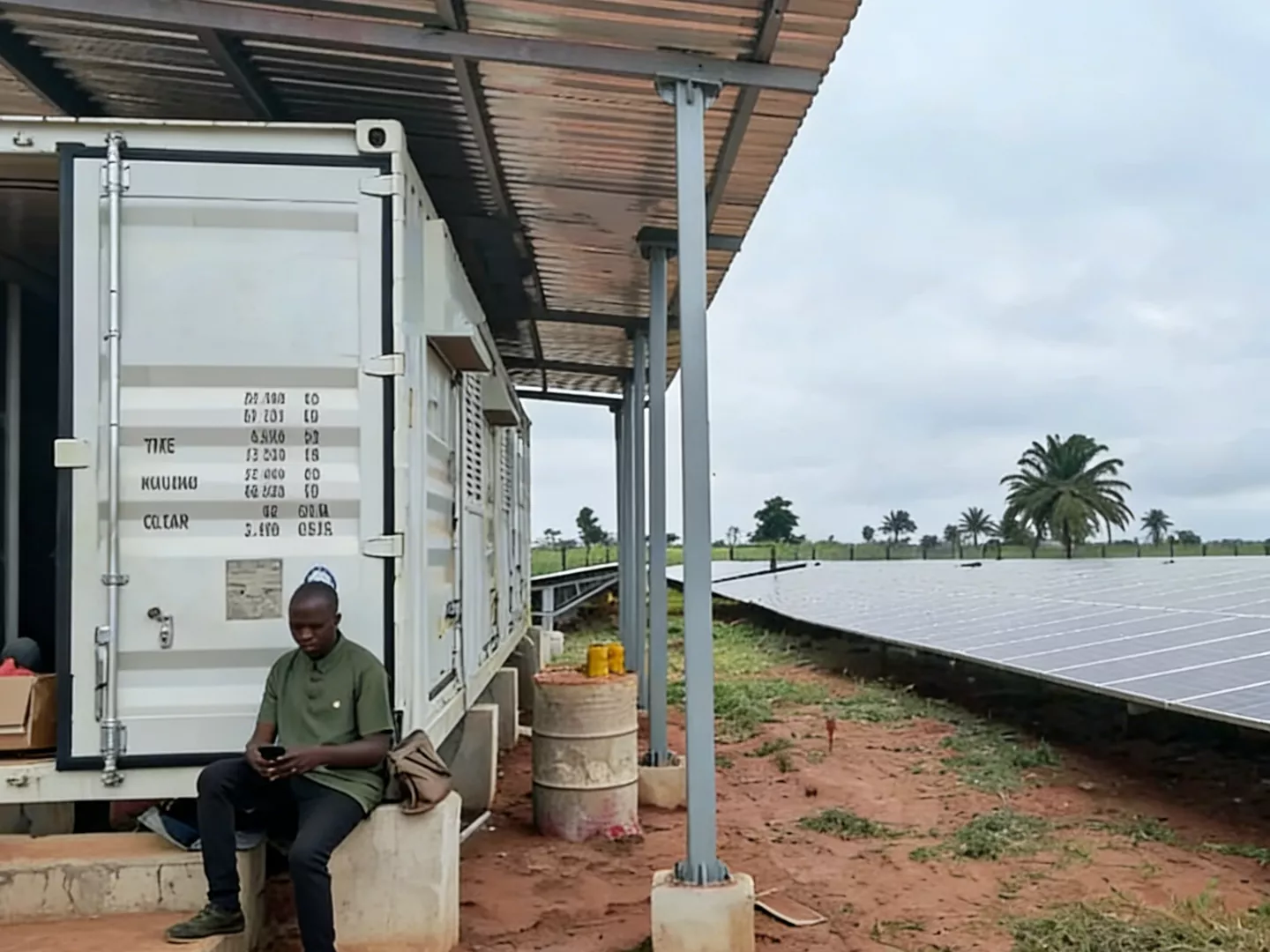
ພາກທີ 1: ສິ່ງທ້າທາຍດ້ານພະລັງງານທີ່ແທ້ຈິງທີ່ສະຖານີຖານທັບອາຟຣິກາກຳລັງປະເຊີນຢູ່
ການສະໜອງພະລັງງານໃຫ້ແກ່ສະຖານີຖານໃນຫຼາຍປະເທດໃນອາຟຣິກາບໍ່ແມ່ນເລື່ອງງ່າຍຄືກັບການ 'ສຽບປລັກແລະໃຊ້ງານ'. ມັນເປັນສິ່ງທ້າທາຍດ້ານພະລັງງານທີ່ເປັນລະບົບທີ່ສາມາດແບ່ງອອກເປັນສາມບັນຫາທີ່ເຊື່ອມໂຍງກັນຄື:
1. ການຄຸ້ມຄອງຕາຂ່າຍໄຟຟ້າບໍ່ພຽງພໍ
- ພື້ນທີ່ກວ້າງໃຫຍ່ໄພສານບໍ່ມີຕາຂ່າຍໄຟຟ້າແຫ່ງຊາດເລີຍ
- ໃນກໍລະນີທີ່ມີຕາຂ່າຍໄຟຟ້າ, ມັນຈະບໍ່ມີຄວາມໝັ້ນຄົງເປັນປະຈຳ
2. ການເພິ່ງພານໍ້າມັນກາຊວນຫຼາຍເກີນໄປ
- ນໍ້າມັນເຊື້ອໄຟຕ້ອງຖືກຂົນສົ່ງໄປໄກໆ
- ຄ່າໃຊ້ຈ່າຍໃນການຂົນສົ່ງພຽງຢ່າງດຽວສາມາດເກີນຄ່າໃຊ້ຈ່າຍໃນການຜະລິດພະລັງງານໄດ້
- ການຂາດແຄນນໍ້າມັນເຊື້ອໄຟ = ສະຖານທີ່ເກີດເຫດໄຟດັບ
3. ຄວາມຫຍຸ້ງຍາກທາງດ້ານ O&M ຢ່າງຮຸນແຮງ
- ສະຖານທີ່ຕ່າງໆມີການກະຈາຍຕົວຕາມພູມສາດ
- ຮອບວຽນການກວດກາດ້ວຍມືແມ່ນຍາວນານ ແລະ ມີລາຄາແພງ
- ເວລາຕອບສະໜອງຕໍ່ຂໍ້ບົກຜ່ອງແມ່ນຊ້າ
ສະຫຼຸບແລ້ວ: ໃນອາຟຣິກາ, ພະລັງງານທີ່ໜ້າເຊື່ອຖືແມ່ນບັນຫາທີ່ຍາກທີ່ຈະແກ້ໄຂກ່ວາການຈັດຫາຮາດແວການສື່ສານເອງ.
ພາກທີ 2: ວິທີແກ້ໄຂຊັ້ນນໍາ — ລະບົບການເກັບຮັກສາພະລັງງານແສງຕາເວັນ-ກາຊວນແບບປະສົມປະສານ
ວິທີແກ້ໄຂທີ່ພັດທະນາ ແລະ ນຳໃຊ້ຢ່າງກວ້າງຂວາງທີ່ສຸດສຳລັບສະຖານີຖານໃນອາຟຣິກາໃນປະຈຸບັນນີ້ແມ່ນສະຖາປັດຕະຍະກຳປະສົມສາມແຫຼ່ງຄື:
ພະລັງງານແສງຕາເວັນ + ການເກັບຮັກສາພະລັງງານແບັດເຕີຣີ + ເຄື່ອງກຳເນີດໄຟຟ້າກາຊວນ
ເຫດຜົນການປະຕິບັດງານແມ່ນງ່າຍດາຍຢ່າງສະຫງ່າງາມ:
| ແຫຼ່ງຂໍ້ມູນ | ພາລະບົດບາດ |
| ແສງອາທິດ PV | ແຫຼ່ງພະລັງງານຫຼັກໃນເວລາກາງເວັນ |
| ການເກັບຮັກສາແບດເຕີລີ່ | ຄອບຄຸມຄວາມຕ້ອງການໃນຕອນກາງຄືນ ແລະ ຫຼຸດຜ່ອນຄວາມຜັນຜວນ |
| Diesel Generator | ການສຳຮອງຂໍ້ມູນສຸກເສີນສຳລັບເຫດການສະພາບອາກາດທີ່ຮຸນແຮງ |
ພາກທີ 3: ການສຶກສາກໍລະນີ Highjoule — ສະຖານີໂທລະຄົມມະນາຄົມ Mauritania
ຕໍ່ໄປນີ້ແມ່ນກໍລະນີການນຳໃຊ້ໃນໂລກຕົວຈິງສຳລັບສະຖານທີ່ໂທລະຄົມມະນາຄົມນອກຕາຂ່າຍໄຟຟ້າ:
| ສະຖານທີ່ໂຄງການ | ມໍຣິຕາເນຍ, ອາຟຣິກາຕາເວັນຕົກ |
| ສະຖານະການສະ ໝັກ | ການສະໜອງພະລັງງານນອກຕາຂ່າຍໄຟຟ້າສຳລັບສະຖານີໂທລະຄົມມະນາຄົມໄລຍະໄກ |
| ຂະໜາດໂຄງການ | 7 ໜ່ວຍລະບົບພະລັງງານປະສົມປະສານຖືກນຳໃຊ້ແລ້ວ |
| ເງື່ອນໄຂຂອງສະຖານທີ່ | ບໍ່ມີຕາຂ່າຍໄຟຟ້າ/ຄວາມຮ້ອນສູງ/ການຖືກພາຍຸຊາຍໜັກ |
3.1 ຈຸດປະສົງຂອງໂຄງການ
ເປົ້າໝາຍຫຼັກຂອງໂຄງການໄດ້ຖືກກຳນົດຢ່າງຈະແຈ້ງຄື:
- ສົ່ງໄຟຟ້າທີ່ໜ້າເຊື່ອຖືໄປຍັງສະຖານທີ່ທີ່ບໍ່ມີການເຂົ້າເຖິງຕາຂ່າຍໄຟຟ້າ
- ປັບປຸງຄວາມໝັ້ນຄົງໃນການດຳເນີນງານ ແລະ ເວລາເຮັດວຽກຂອງສະຖານີຖານ
- ຫຼຸດຜ່ອນການໃຊ້ນໍ້າມັນກາຊວນ ແລະ ຄ່າໃຊ້ຈ່າຍດ້ານການຂົນສົ່ງທີ່ກ່ຽວຂ້ອງຢ່າງຫຼວງຫຼາຍ
- ເປີດໃຊ້ການດຳເນີນງານແບບອັດຕະໂນມັດໃນໄລຍະຍາວໂດຍບໍ່ຕ້ອງມີຜູ້ເບິ່ງແຍງ
ໂດຍຫຍໍ້ແລ້ວ: ຮັກສາສະຖານີໂທລະຄົມມະນາຄົມໃຫ້ມີຊີວິດຢູ່, ໝັ້ນຄົງ ແລະ ຕະຫຼອດໄປ, ໃນເຂດທີ່ບໍ່ມີພື້ນຖານໂຄງລ່າງພະລັງງານ.
3.2 ການອອກແບບສະຖາປັດຕະຍະກຳລະບົບ (ການເຊື່ອມໂຍງພະລັງງານແສງຕາເວັນ-ການເກັບຮັກສາ-ນໍ້າມັນກາຊວນ)
ໂຄງການດັ່ງກ່າວໃຊ້ສະຖາປັດຕະຍະກຳຟິວຊັນສາມແຫຼ່ງແບບຄລາສສິກ:
ລະບົບພະລັງງານແສງຕາເວັນ (ແຫຼ່ງພະລັງງານຫຼັກ)
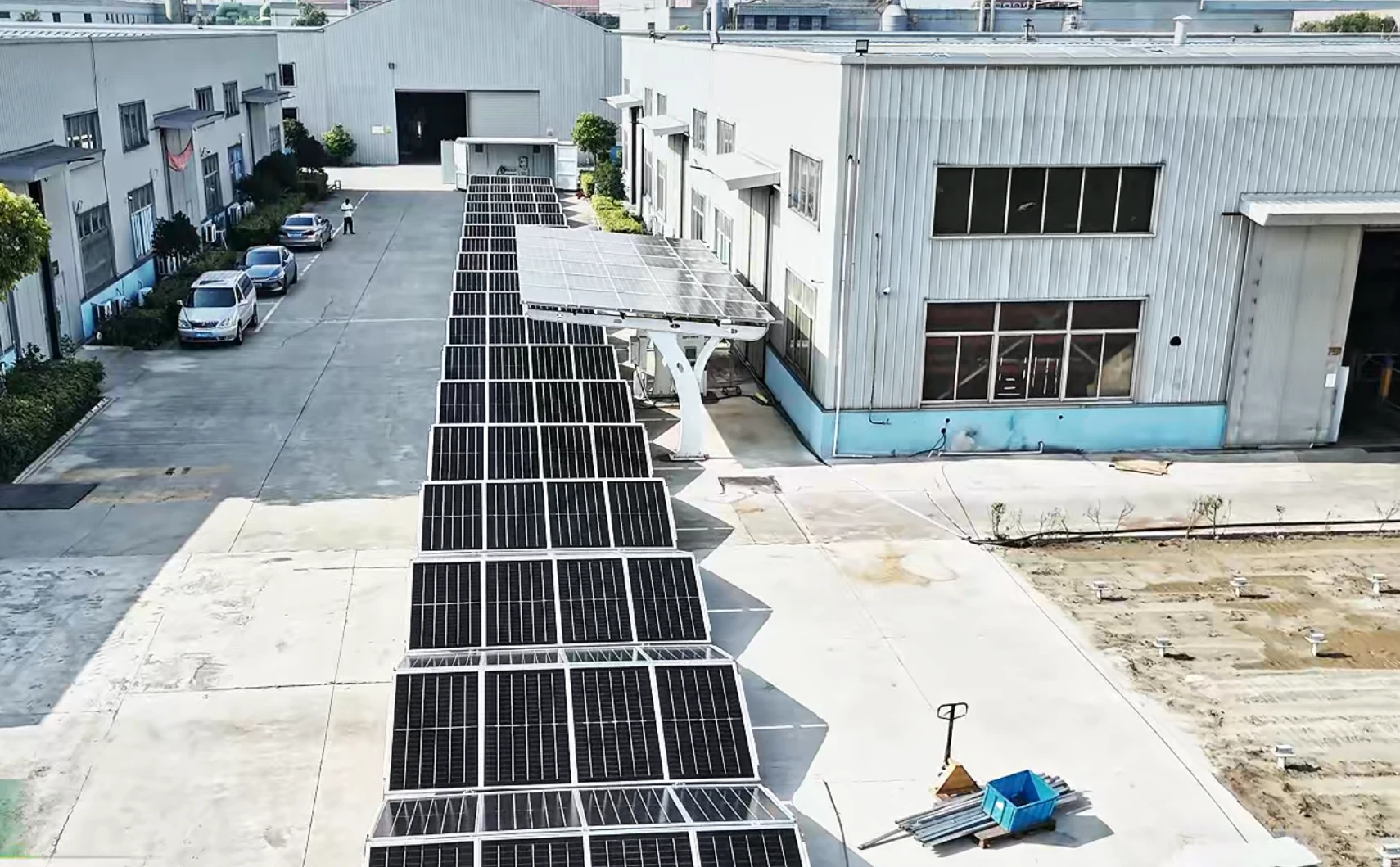
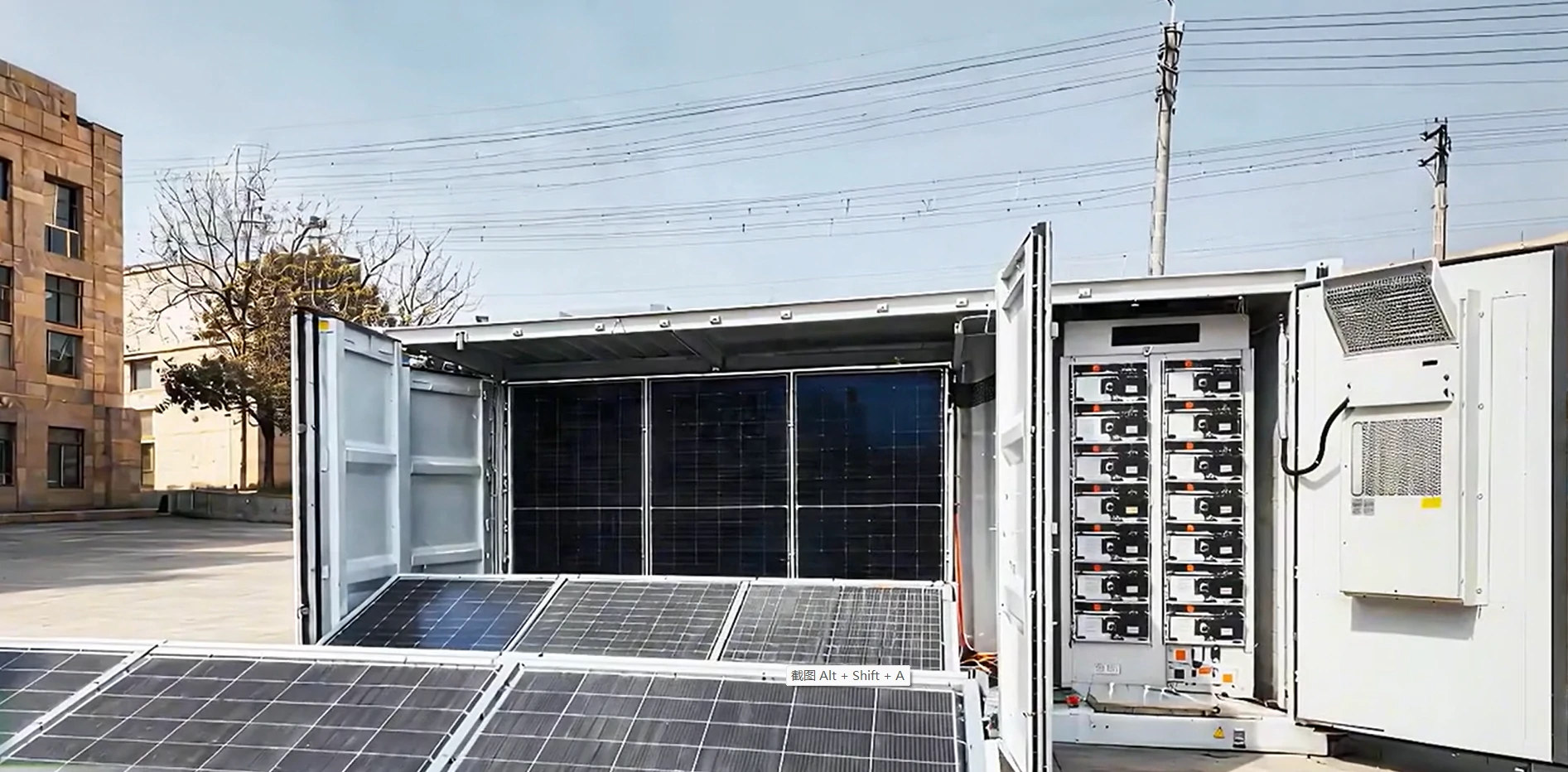
- ໂມດູນ PV ຫຼາຍອັນທີ່ມີໂຄງສ້າງການຕິດຕັ້ງແບບກຳນົດເອງ
- ການສະໜອງພະລັງງານໃນເວລາກາງເວັນແບບບຸລິມະສິດ + ການສາກແບັດເຕີຣີພ້ອມກັນ
ລະບົບເກັບຮັກສາພະລັງງານແບັດເຕີຣີ (Core Buffer)
- LFP ລະບົບແບັດເຕີຣີ (ລິທຽມໄອຣອນຟອສເຟດ)
- ສະຖາປັດຕະຍະກຳມາດຕະຖານໂທລະຄົມ 48V
- ຄວາມສາມາດໃນການໃຊ້ວົງຈອນເລິກທີ່ຂະຫຍາຍອອກດ້ວຍການອອກແບບທີ່ມີຄວາມໜ້າເຊື່ອຖືສູງ
ຫນ້າທີ່:
- ການສະໜອງພະລັງງານໃນຕອນກາງຄືນ
- ການຊົດເຊີຍມື້ທີ່ມີເມກຫຼາຍ
- ການຫຼຸດຜ່ອນຄວາມຖີ່ຂອງການເລີ່ມຕົ້ນເຄື່ອງກຳເນີດໄຟຟ້າກາຊວນ
ເຄື່ອງກຳເນີດໄຟຟ້າກາຊວນ (ແນວປ້ອງກັນສຸດທ້າຍ)
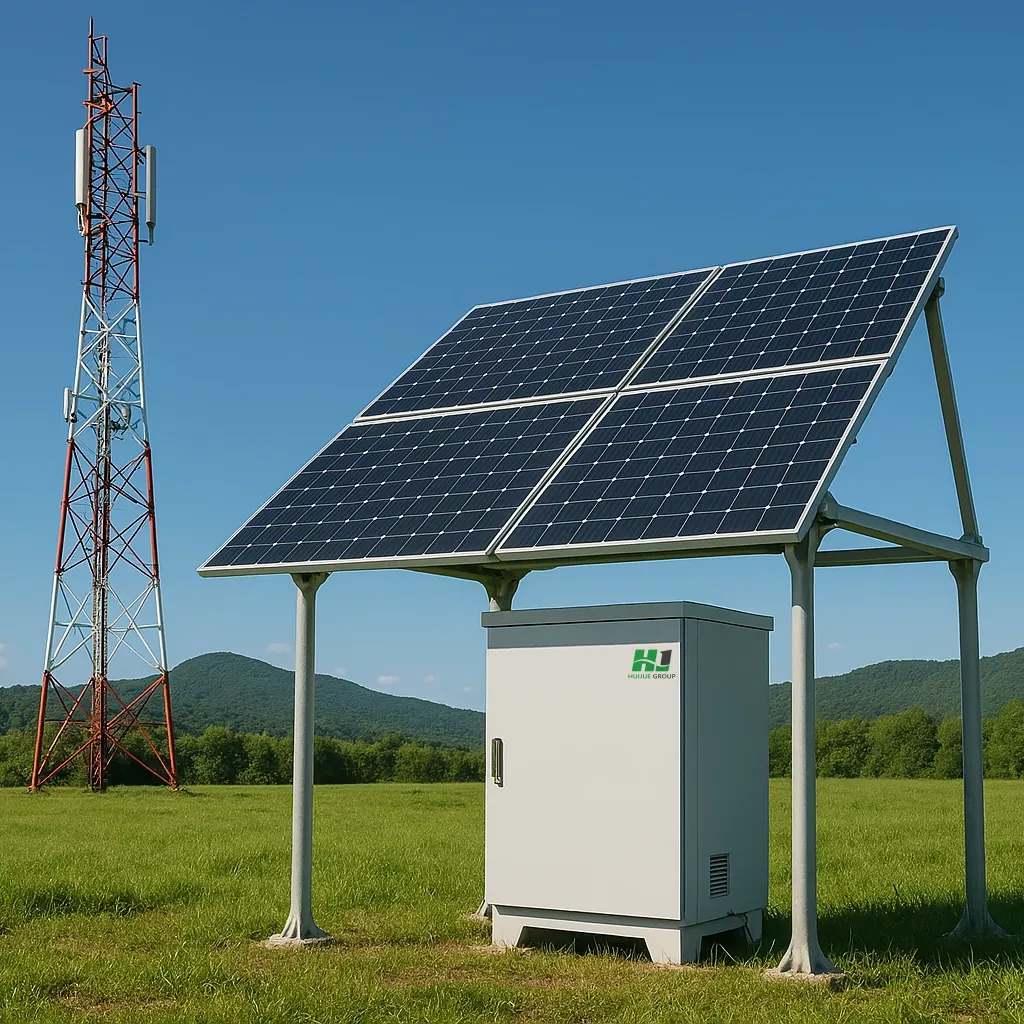
- ເຄື່ອງກຳເນີດໄຟຟ້າກາຊວນກາງແຈ້ງແບບງຽບໆ 16 kW / 20 kVA
- ການຄວບຄຸມການເລີ່ມຕົ້ນ/ຢຸດອັດຕະໂນມັດອັດສະລິຍະ
ຫນ້າທີ່:
- ສຳຮອງຂໍ້ມູນສຳລັບໄລຍະເວລາທີ່ມີເມກປົກຄຸມເປັນເວລາດົນນານ
- ການເສີມພະລັງງານສູງສຸດ
- ຕາໜ່າງຄວາມປອດໄພສູງສຸດຂອງລະບົບ
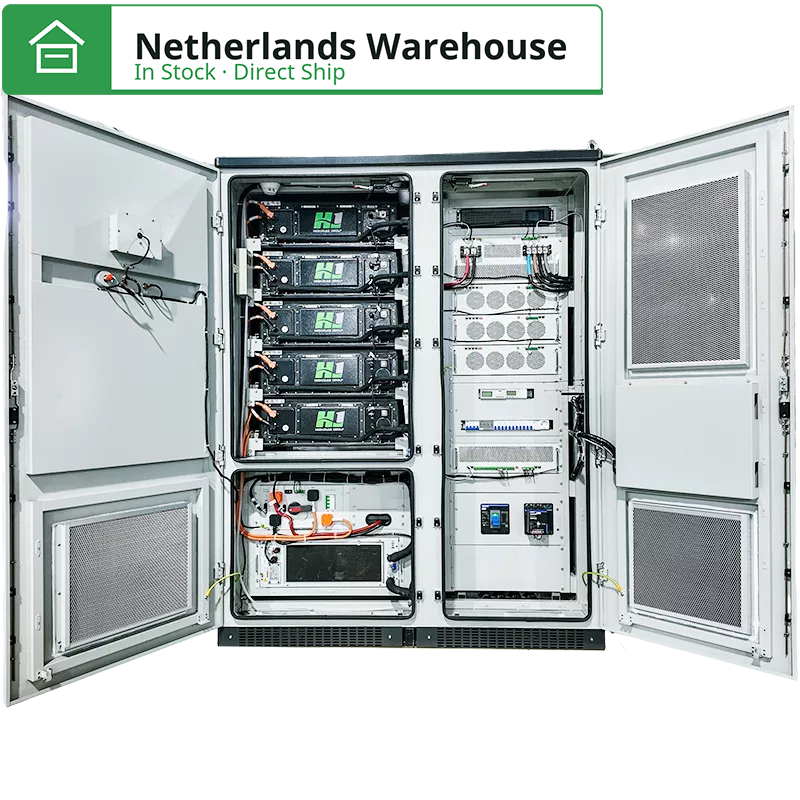
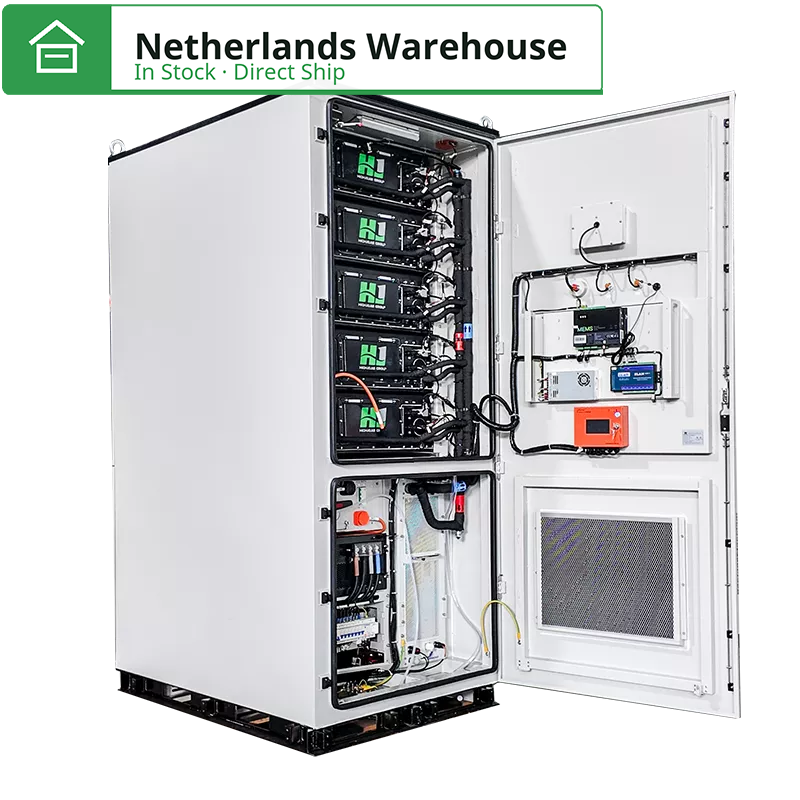
3.3 ການຕັ້ງຄ່າອຸປະກອນຫຼັກ (ລາຍລະອຽດລະດັບວິສະວະກຳ)
| ອົງປະກອບ | ຂໍ້ມູນ ຈຳ ເພາະ / ຄຸນລັກສະນະຕ່າງໆ |
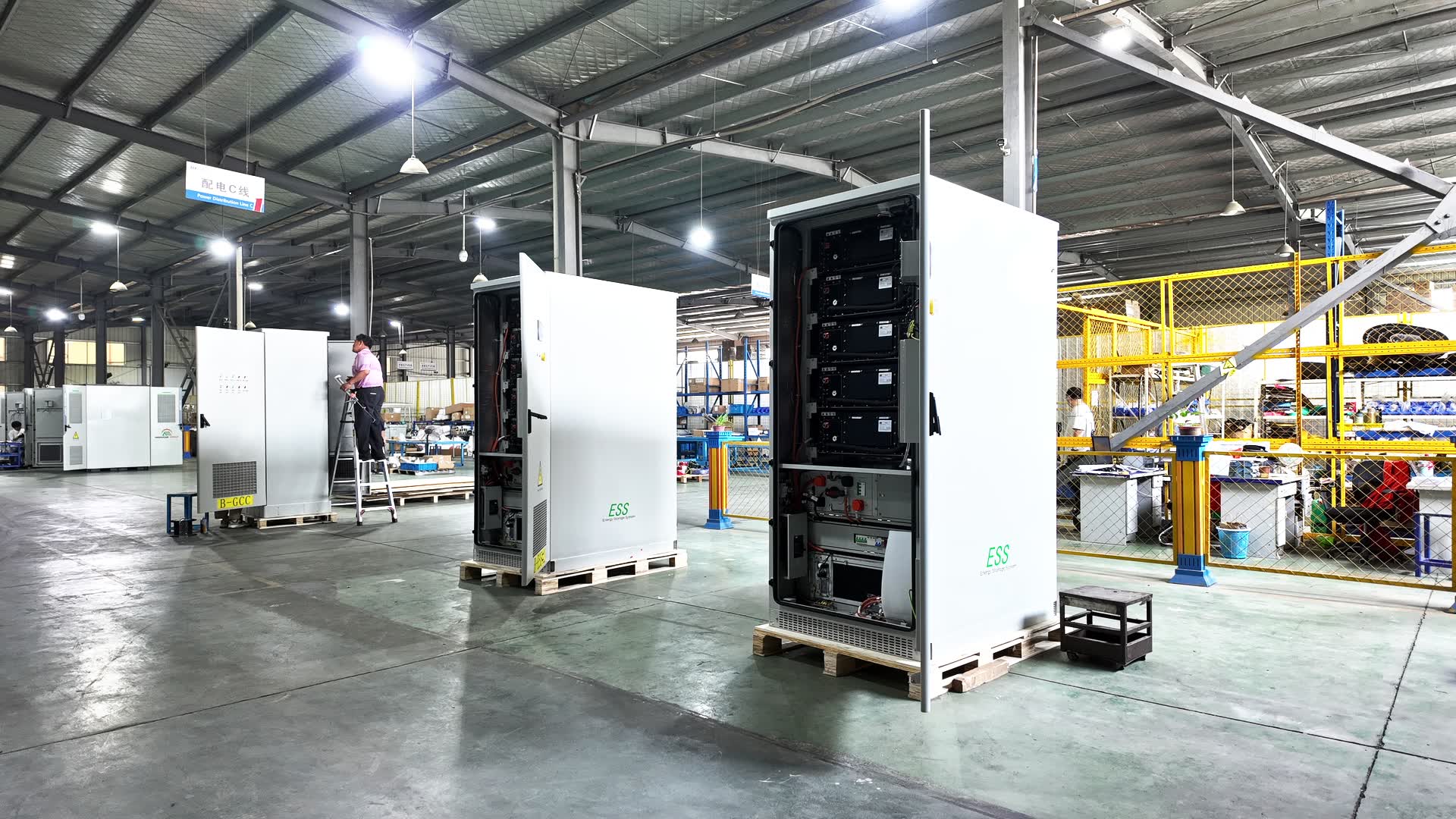
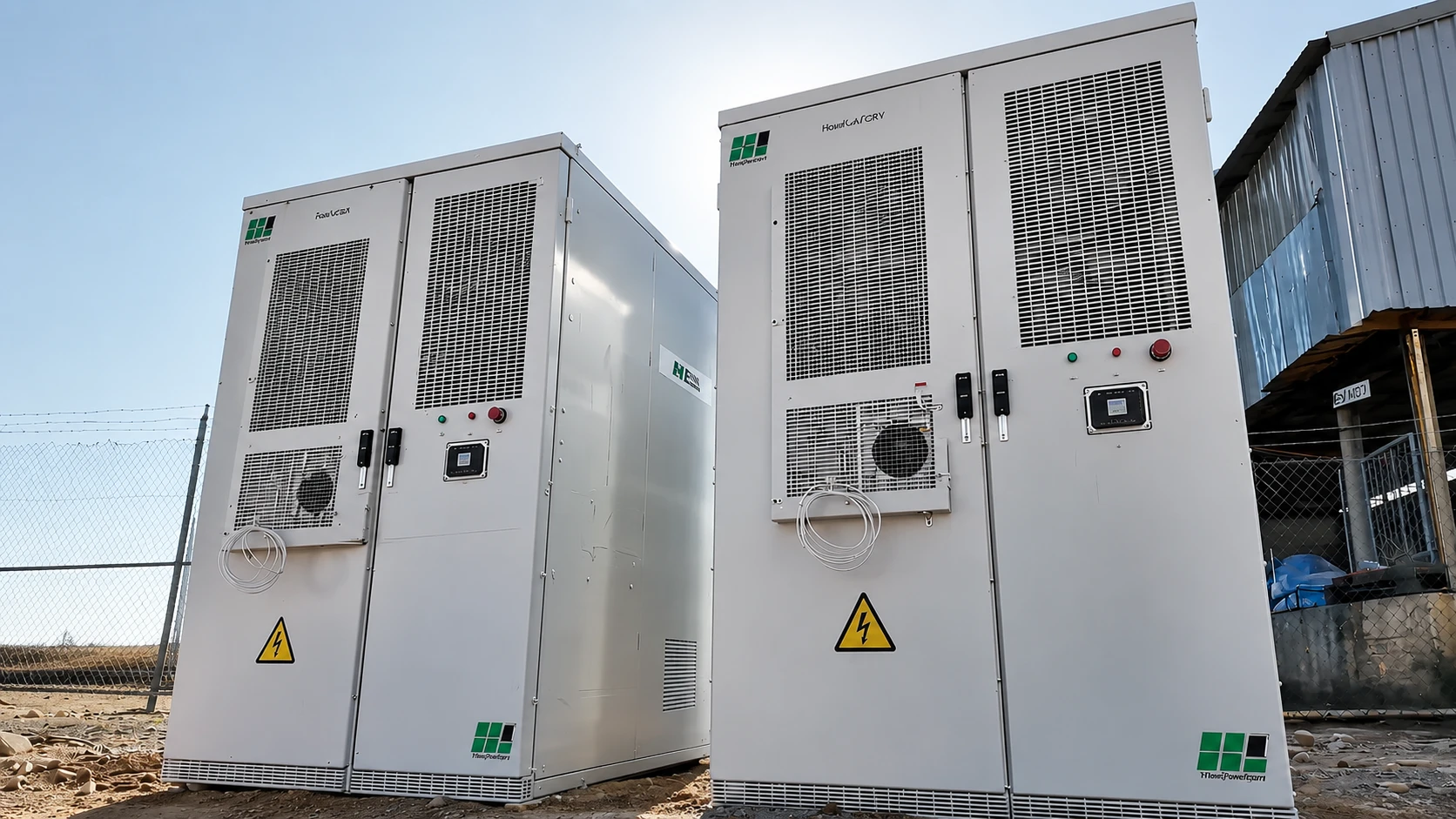
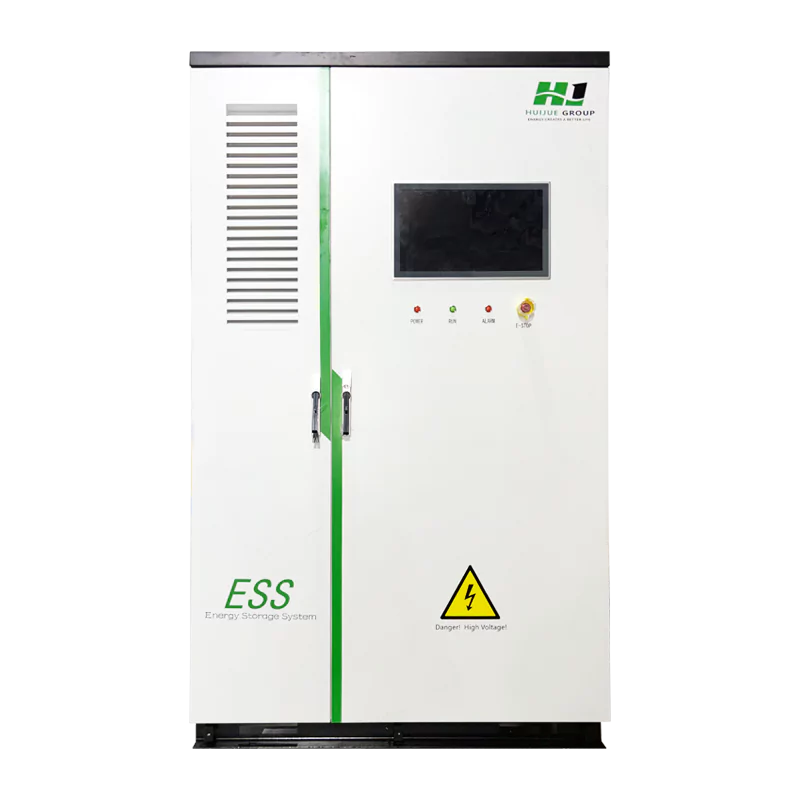
| ຕູ້ກາງແຈ້ງ | 2000 × 1500 × 800 ມມ; ເຫຼັກກ້າສັງກະສີ; ຈັດອັນດັບສຳລັບຄວາມຮ້ອນທີ່ຮຸນແຮງ + ດິນຊາຍເຂົ້າ |
| ການຈັດການຄວາມຮ້ອນ | ພັດລົມ DC 4 × 48V; ການຄວບຄຸມອຸນຫະພູມອັດສະລິຍະ; ປ້ອງກັນການໂຫຼດເກີນອຸນຫະພູມສູງ |
| ລະບົບຫມໍ້ໄຟ | LFP ເຄມີສາດ; ອາຍຸການໃຊ້ງານຍາວນານ; ປັບປຸງໃຫ້ດີທີ່ສຸດສຳລັບການໂຫຼດຖານໂທລະຄົມມະນາຄົມຢ່າງຕໍ່ເນື່ອງ |
| EMS / FSU | ຮຸ່ນ EMS-B2010; ຕິດຕາມກວດກາແຮງດັນ, ກະແສໄຟຟ້າ, SOC ແບບເວລາຈິງ; ສົ່ງ PV / ແບັດເຕີຣີ / ເຄື່ອງກຳເນີດໄຟຟ້າອັດຕະໂນມັດ |
| PV ແລະ ການຈຳໜ່າຍພະລັງງານ | ໂມດູນ PV + ໂຄງສ້າງຊັ້ນວາງ; ໂມດູນ rectifier + ໜ່ວຍແຈກຈ່າຍ; ການຄຸ້ມຄອງການປ້ອນຂໍ້ມູນຫຼາຍແຫຼ່ງແບບລວມສູນ |
ພາກທີ 4: ວິທີທີ່ລະບົບສົ່ງພະລັງງານທີ່ບໍ່ມີການຂັດຂ້ອງ
ຜົນສຳເລັດຫຼັກຂອງໂຄງການບໍ່ແມ່ນການວາງຊ້ອນກັນຂອງອຸປະກອນ — ມັນແມ່ນເຫດຜົນຂອງການແຈກຈ່າຍພະລັງງານ:
| ຮູບແບບການ | ເຮັດແນວໃດມັນເຮັດວຽກ |
| Daytime | ພະລັງງານແສງຕາເວັນ PV ແມ່ນການສະໜອງບູລິມະສິດ; ສາກແບັດເຕີຣີພ້ອມໆກັນ; ເຄື່ອງກຳເນີດໄຟຟ້າກາຊວນຍັງຄົງປິດຢູ່ |
| ກາງຄືນ | ການປ່ອຍປະຈຸໄຟຟ້າເພື່ອຮັກສາການເຮັດວຽກຂອງສະຖານີຖານຢ່າງຕໍ່ເນື່ອງ |
| ສະພາບອາກາດທີ່ຮ້າຍ | ເມກມືດເປັນເວລາດົນ → ເຄື່ອງຈັກກາຊວນສະຕາດອັດຕະໂນມັດ, ຮັບພາລະໜັກ, ປ້ອງກັນການຂັດຂ້ອງຂອງສະຖານທີ່ກໍ່ສ້າງ |
ຜົນໄດ້ຮັບ: ແຫຼ່ງພະລັງງານສາມແຫຼ່ງສະໜອງການຊໍ້າຊ້ອນເຊິ່ງກັນແລະກັນ — ບັນລຸການດຳເນີນງານທີ່ບໍ່ມີເວລາຢຸດເຮັດວຽກທີ່ແທ້ຈິງ.
ພາກທີ 5: ມູນຄ່າໂຄງການ
- ເປີດໃຊ້ການຄຸ້ມຄອງນອກຕາຂ່າຍໄຟຟ້າ — ສົ່ງການເຊື່ອມຕໍ່ໂທລະຄົມມະນາຄົມໄປຍັງພື້ນທີ່ທີ່ຕາຂ່າຍໄຟຟ້າບໍ່ສາມາດເຂົ້າເຖິງໄດ້ກ່ອນໜ້ານີ້
- ເພີ່ມຄວາມໝັ້ນຄົງ — ການຊໍ້າຊ້ອນຫຼາຍແຫຼ່ງຊ່ວຍກຳຈັດຈຸດລົ້ມເຫຼວຈຸດດຽວ
- ຫຼຸດຜ່ອນການເພິ່ງພາອາໄສນໍ້າມັນກາຊວນ — ຫຼຸດຜ່ອນຄວາມຖີ່ຂອງການໃຊ້ນໍ້າມັນເຊື້ອໄຟ ແລະ ຄ່າໃຊ້ຈ່າຍດ້ານການຂົນສົ່ງທັງໝົດຢ່າງຫຼວງຫຼາຍ
- ຫຼຸດຜ່ອນພາລະດ້ານ O&M — ການຕິດຕາມກວດກາຈາກໄລຍະໄກລວມກັບການຄວບຄຸມອັດຕະໂນມັດທົດແທນການແຊກແຊງດ້ວຍມືທີ່ມີຄ່າໃຊ້ຈ່າຍສູງ
ພາກທີ 6: ເປັນຫຍັງວິທີແກ້ໄຂນີ້ຈຶ່ງເໝາະສົມກັບອາຟຣິກາຢ່າງສົມບູນ
ລະບົບພະລັງງານສະຖານີຖານຂອງອາຟຣິກາມີລັກສະນະເດັ່ນສາມຢ່າງຄື:
- ກະຈາຍຢູ່ຕາມພູມສາດ
- ນອກຕາຂ່າຍໄຟຟ້າຕາມຄ່າເລີ່ມຕົ້ນ
- ຍາກໃນການຮັກສາດ້ວຍມື
ລະບົບໄຮບຣິດທີ່ໃຊ້ພະລັງງານແສງອາທິດ-ການເກັບຮັກສາ-ນໍ້າມັນກາຊວນ ສອດຄ່ອງກັບຄວາມຕ້ອງການເຫຼົ່ານີ້ຢ່າງແນ່ນອນ:
- ດຳເນີນການຢ່າງເປັນອິດສະຫຼະຈາກໂຄງສ້າງພື້ນຖານພາຍນອກ
- ຈັດການຈາກໄລຍະໄກດ້ວຍການໄປຢ້ຽມຢາມສະຖານທີ່ໜ້ອຍທີ່ສຸດ
- ສະຫຼັບລະຫວ່າງແຫຼ່ງພະລັງງານໂດຍອັດຕະໂນມັດໂດຍບໍ່ມີການແຊກແຊງຂອງມະນຸດ
ພາກທີ 7: ອາຟຣິກາກຳລັງຫັນປ່ຽນຈາກ 'ຍຸກກາຊວນ' ໄປສູ່ 'ຍຸກເກັບຮັກສາພະລັງງານແສງຕາເວັນ'
ຫຼັກຖານຈາກພາກສະໜາມສະແດງໃຫ້ເຫັນເຖິງການປ່ຽນແປງມະຫາພາກທີ່ຊັດເຈນສາມຢ່າງທີ່ກຳລັງດຳເນີນຢູ່ໃນພູມສັນຖານພະລັງງານໂທລະຄົມມະນາຄົມຂອງອາຟຣິກາ:
| # | From | To |
| 1 | ລຸ້ນທີ່ໃຊ້ນໍ້າມັນກາຊວນເປັນຫຼັກ | ການທົດແທນ PV ແສງຕາເວັນ |
| 2 | ການບຳລຸງຮັກສາພາກສະໜາມດ້ວຍມື | ການຕິດຕາມໄລຍະໄກອັດສະລິຍະ |
| 3 | ການເພິ່ງພາອາໄສແຫຼ່ງພະລັງງານດຽວ | ການເສີມພະລັງງານຫຼາຍແຫຼ່ງ |
ເສັ້ນທາງແມ່ນຈະແຈ້ງ: ລະບົບການເກັບຮັກສາພະລັງງານແສງຕາເວັນ ແລະ ນໍ້າມັນກາຊວນປະສົມປະສານກຳລັງກາຍເປັນມາດຕະຖານຕົວຈິງສຳລັບພະລັງງານສະຖານີຖານຂອງອາຟຣິກາຢ່າງໄວວາ.
ພາກທີ 8: ບົດສະຫຼຸບ
ໂຄງການ Mauritania ຢືນຢັນການສະຫຼຸບທີ່ສຳຄັນ:
ໃນເຂດຫ່າງໄກສອກຫຼີກຂອງອາຟຣິກາ, ບໍ່ມີແຫຼ່ງພະລັງງານດຽວທີ່ສາມາດຄ້ຳຊູສະຖານີໂທລະຄົມມະນາຄົມໄດ້ໃນໄລຍະຍາວ. ລະບົບໄຮບຣິດພະລັງງານແສງຕາເວັນ + ການເກັບຮັກສາ + ນໍ້າມັນກາຊວນແມ່ນວິທີແກ້ໄຂທີ່ໜ້າເຊື່ອຖືທີ່ສຸດໃນປະຈຸບັນ.
ຄຳຖາມຫຼັກສຳລັບສະຖານີຖານໃນອາຟຣິກາບໍ່ແມ່ນ 'ມີຕາຂ່າຍໄຟຟ້າບໍ?' ແຕ່ແມ່ນ 'ມີລະບົບພະລັງງານແສງຕາເວັນ-ການເກັບຮັກສາ-ກາຊວນປະສົມປະສານບໍ?'
ກ່ຽວກັບກຸ່ມບໍລິສັດ Highjoule
ກຸ່ມບໍລິສັດ Highjoule ຊ່ຽວຊານດ້ານວິທີແກ້ໄຂການເກັບຮັກສາພະລັງງານແບບປະສົມປະສານສຳລັບການນຳໃຊ້ນອກຕາຂ່າຍໄຟຟ້າ ແລະ ຕາຂ່າຍໄຟຟ້າທີ່ບໍ່ແຂງແຮງ. ຜະລິດຕະພັນຂອງພວກເຮົາກວມເອົາການເກັບຮັກສາພະລັງງານໃນເຮືອນ, ການເກັບຮັກສາພະລັງງານທາງການຄ້າ ແລະ ອຸດສາຫະກຳ, ແລະ ລະບົບປະສົມປະສານການສາກໄຟດ້ວຍພະລັງງານແສງຕາເວັນ. ຂໍ້ໄດ້ປຽບດ້ານເຕັກໂນໂລຢີຫຼັກລວມມີການຄາດຄະເນພະລັງງານທີ່ໃຊ້ພະລັງງານ AI, ການຄຸ້ມຄອງຫຼາຍສະຖານທີ່, ແລະ ການດໍາເນີນງານ ແລະ ການຮັກສາຈາກໄລຍະໄກ. ລະບົບຂອງພວກເຮົາໄດ້ຖືກນຳໃຊ້ຢ່າງຫ້າວຫັນໃນທົ່ວອາຟຣິກາ, ອາຊີຕາເວັນອອກສຽງໃຕ້, ຕາເວັນອອກກາງ, ແລະ ພາກພື້ນອື່ນໆ — ຊ່ວຍໃຫ້ຜູ້ປະກອບການໂທລະຄົມ ແລະ ວິສາຫະກິດບັນລຸການສະໜອງພະລັງງານທີ່ໜ້າເຊື່ອຖື, ເປັນເອກະລາດ, ແລະ ສະຫຼາດໃນສະພາບແວດລ້ອມທີ່ທ້າທາຍທີ່ສຸດໃນໂລກ.